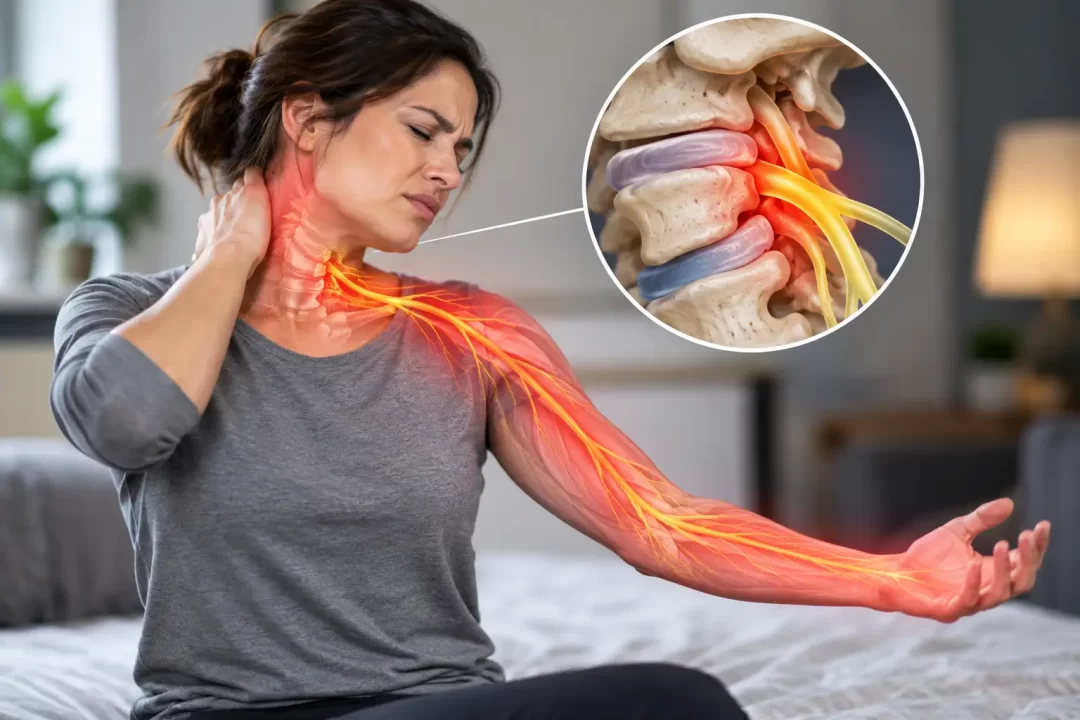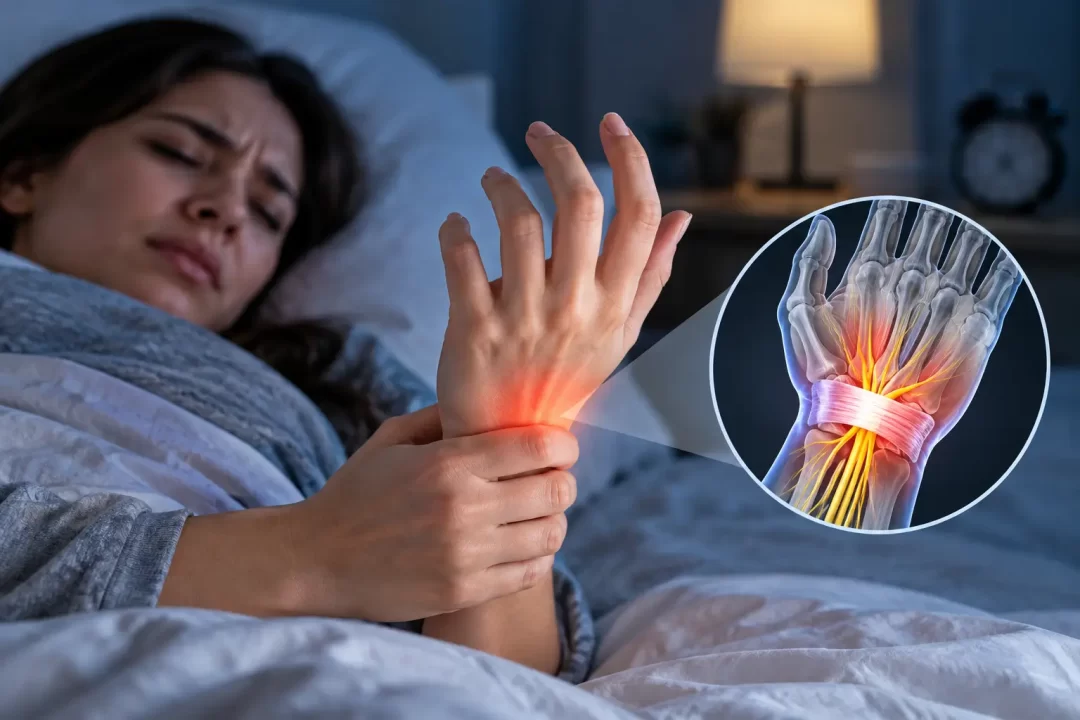





Have you ever experienced a sharp, burning, or electric shock-like pain around your chest or ribs? The pain may worsen when you twist your body, cough, take a deep breath, or even when your clothes touch the affected area. While many people initially fear a heart condition or assume it is muscle strain, persistent nerve pain in the chest wall is often linked to specific thoracic neuralgia symptoms.
Dr. Rahul Chawla, Consultant Neurologist at ISIC Multispeciality Hospital, Vasant Kunj, New Delhi, evaluates patients with nerve-related pain and neurological disorders affecting the spine and peripheral nerves. Understanding the underlying causes, warning signs, and distinct patterns of thoracic neuralgia symptoms can help you determine when a professional neurological evaluation is necessary.
Table of Contents
- What Is Thoracic Neuralgia?
- Common Symptoms of Thoracic Neuralgia
- What Causes Nerve Pain Around the Chest and Ribs?
- Thoracic Neuralgia vs Heart-Related Chest Pain
- How Is Thoracic Neuralgia Diagnosed?
- Treatment for Thoracic Neuralgia
- When Should You Consult a Neurologist?
- Neurology Consultation in South Delhi
- Frequently Asked Questions
What Is Thoracic Neuralgia?
Thoracic neuralgiam, also called intercostal neuralgia, refers to pain arising from irritation, inflammation or injury involving nerves in the thoracic region of the body.
The thoracic spine consists of 12 vertebrae located in the upper and middle back. Nerves emerging from this region travel around the chest and abdomen, supplying sensation to the skin and helping control certain muscles.
The intercostal nerves run along the spaces between the ribs. When these nerves become irritated or damaged, patients may experience pain that follows the course of a nerve around the chest wall.
This burning pain around chest and ribs may feel different from ordinary muscle pain. Patients often describe it as:
- Burning or shooting pain
- Electric shock-like sensations
- Sharp or stabbing discomfort
- Tingling or numbness
- Increased sensitivity to touch
- Pain spreading from the back towards the chest or abdomen
Thoracic neuralgia may affect one side of the chest, although symptoms can sometimes involve both sides depending on the underlying cause.
Common Thoracic Neuralgia Symptoms
Thoracic neuralgia symptoms vary depending on which nerve is affected and the severity of nerve irritation.
1. Burning Pain Around the Chest and Ribs
One of the most common complaints is a burning sensation extending along the rib cage. The pain may remain localised or spread from the back towards the front of the chest.
2. Sharp or Electric Shock-Like Pain
Some patients experience sudden episodes of shooting pain that resemble an electric shock. These episodes may occur spontaneously or be triggered by certain movements.
3. Pain Worsening with Movement
Activities such as bending, twisting, coughing or taking a deep breath may aggravate the pain. However, pain worsened by breathing or movement is not specific to neuralgia and may occur in other chest conditions.
4. Increased Sensitivity to Touch
The skin over the affected area may become unusually sensitive. Even light contact from clothing or bedsheets may produce discomfort. This phenomenon is known as allodynia.
5. Tingling or Numbness
Some patients experience altered sensation, tingling or numbness along the affected nerve distribution.
6. Band-Like Pain Around the Chest
Thoracic nerve pain may follow a band-like pattern extending from the back towards the chest or upper abdomen. This pattern can sometimes help clinicians identify the affected nerve root or intercostal nerve.
What Causes Nerve Pain Around the Chest and Ribs?
Several conditions can cause thoracic neuralgia.
1. Postherpetic Neuralgia
Postherpetic neuralgia is persistent nerve pain following an episode of shingles, also known as herpes zoster. Shingles occurs due to reactivation of the varicella-zoster virus, which remains dormant in nerve tissue after chickenpox.
The condition commonly affects the thoracic nerves. Patients may initially develop a painful, blistering rash on one side of the chest or back. In some individuals, nerve pain continues even after the rash has healed. Postherpetic neuralgia is more common in older adults and people with weakened immune systems.
2. Thoracic Disc Herniation
A herniated disc in the thoracic spine can occasionally compress or irritate a spinal nerve root. This may produce pain radiating around the chest or abdomen. Thoracic disc herniation is less common than disc disease in the cervical or lumbar spine.
3. Intercostal Nerve Injury
The intercostal nerves may become injured following:
- Chest trauma
- Rib fractures
- Thoracic surgery
- Certain surgical procedures involving the chest wall
Pain following thoracic surgery may persist in some patients because of nerve injury or sensitisation.
4. Thoracic Radiculopathy
Thoracic radiculopathy occurs when a nerve root emerging from the thoracic spine becomes irritated or compressed. Possible causes include degenerative spinal changes, disc herniation, infection or other structural abnormalities. Patients may experience band-like pain, numbness or altered sensation around the trunk.
5. Diabetic Neuropathy
Diabetes can occasionally affect nerves supplying the chest and abdominal wall. Diabetic thoracic radiculopathy may cause burning pain, altered sensation or discomfort affecting the trunk. This is an uncommon manifestation of diabetic nerve disease.
6. Other Neurological and Structural Conditions
Less common causes include inflammatory disorders, spinal tumours, infections and other conditions affecting the thoracic nerve roots or spinal cord.
Identifying the underlying cause is important because treatment differs considerably between these conditions.
Thoracic Neuralgia vs Heart-Related Chest Pain
One of the most important concerns in patients with chest pain is distinguishing thoracic neuralgia symptoms from potentially serious cardiac or pulmonary conditions.
Although thoracic neuralgia may produce sharp, burning or localised pain, the nature of pain alone cannot reliably exclude a heart attack or other medical emergency.
| Feature | Thoracic Neuralgia | Heart-Related Chest Pain |
|---|---|---|
| Pain character | Often burning, shooting or electric shock-like | Often pressure, tightness or heaviness, but may vary |
| Location | May follow a band-like nerve distribution | Often central or left-sided, but may occur elsewhere |
| Sensitivity to touch | May be present | Less typical |
| Trigger | May worsen with movement or touch | May occur with exertion or at rest |
| Associated symptoms | Tingling, numbness or skin sensitivity | May include sweating, breathlessness, nausea or faintness |
These differences are only general patterns and cannot establish a diagnosis.
Seek emergency medical attention for new or unexplained chest pain, especially if accompanied by breathlessness, sweating, fainting, nausea or pain radiating to the arm, jaw or back. Heart attacks can also produce atypical symptoms, particularly in older adults and people with diabetes.
How Is Thoracic Neuralgia Diagnosed?
Diagnosing thoracic neuralgia requires a detailed medical history and examination. The first step is to determine whether the pain is genuinely nerve-related or caused by another condition affecting the chest, spine or internal organs.
Dr. Rahul Chawla, neurologist for nerve pain in Delhi, evaluates the distribution of pain, associated sensory symptoms and neurological findings to help identify possible nerve involvement.
Investigations may include:
- Neurological Examination: Assessment of sensation, muscle strength, reflexes and other neurological findings.
- Examination of the Chest and Spine: Evaluation for local tenderness, spinal abnormalities, skin lesions and pain triggered by movement.
- MRI Thoracic Spine: MRI may be recommended when thoracic radiculopathy, spinal cord disease or another structural spinal condition is suspected.
- Blood Investigations: Blood tests may be considered to evaluate diabetes, inflammatory conditions or other relevant medical disorders.
- Nerve Conduction Studies and Electromyography: Electrophysiological investigations may be useful in selected patients, although routine nerve conduction studies have limited value for assessing intercostal nerves.
- Cardiac or Other Medical Evaluation: Depending on the symptoms and risk factors, ECG, cardiac investigations or other tests may be necessary to exclude serious non-neurological causes of chest pain.
Not every patient requires all these investigations. Testing should be guided by the clinical presentation.
Thoracic Neuralgia Treatment
Thoracic neuralgia treatment depends on the underlying cause, severity of symptoms and impact on daily activities.
1. Medications for Neuropathic Pain
Certain medications are used specifically for nerve-related pain. These may include:
- Gabapentin
- Pregabalin
- Amitriptyline
- Nortriptyline
- Duloxetine in selected patients
These medications work differently from ordinary painkillers and may help reduce abnormal pain signalling in affected nerves. The choice depends on the patient’s age, medical conditions, other medications and potential adverse effects.
2. Treatment of Postherpetic Neuralgia
Patients with postherpetic neuralgia may benefit from medications for neuropathic pain. Topical lidocaine preparations may also be useful in selected patients with localised pain.
Patients with a new shingles rash should seek early medical evaluation because antiviral treatment may be appropriate, particularly when started promptly.
3. Physiotherapy and Rehabilitation
Physiotherapy may help selected patients when pain is associated with musculoskeletal dysfunction or spinal problems. Treatment should be individualised, especially when nerve root compression or spinal cord disease is suspected.
4. Nerve Blocks
Intercostal nerve blocks may be considered in selected patients with persistent pain despite appropriate treatment. These procedures are usually performed by trained pain specialists.
5. Treatment of Underlying Spinal Disorders
When thoracic neuralgia results from a structural spinal problem, management may include medication, rehabilitation or specialist spinal intervention. Surgery is generally reserved for selected cases with significant structural pathology or neurological compromise.
6. Long-Term Pain Management
Chronic neuropathic pain may require a combination of medications, rehabilitation and lifestyle adjustments. The aim is to reduce pain, improve sleep and restore daily functioning.
Can Thoracic Neuralgia Be Cured?
The outcome depends on the underlying cause. Some patients experience complete improvement when temporary nerve irritation resolves. Others, particularly those with postherpetic neuralgia or significant nerve injury, may develop persistent thoracic neuralgia symptoms requiring longer-term treatment.
Early identification of treatable causes and appropriate pain management can improve quality of life. However, there is no single treatment that guarantees complete recovery in every patient.
When Should You Consult a Neurologist?
A neurological consultation may be helpful if you experience:
- Persistent burning or shooting pain around the ribs
- Band-like pain extending from the back towards the chest
- Tingling or numbness affecting the chest wall
- Persistent pain following shingles
- Pain associated with suspected thoracic nerve root compression
- Nerve-related pain that does not improve with routine treatment
- Chronic pain interfering with sleep or daily activities
Seek urgent medical attention if chest or back pain is accompanied by progressive leg weakness, difficulty walking, new bladder or bowel dysfunction, or other signs suggesting spinal cord involvement.
New or unexplained chest pain should first be assessed for potentially serious cardiac, pulmonary or other medical causes.
Neurology Consultation in South Delhi
Persistent burning pain, electric shock-like sensations or unexplained numbness around the chest and back may require neurological evaluation.
Dr. Rahul Chawla, trusted Neurologist in South Delhi, provides evaluation and management of neurological conditions involving the peripheral nerves, spinal nerve roots and central nervous system.
Clinic Address:
ISIC Multispeciality Hospital, Indian Spinal Injuries Centre, Plot C, Vasant Kunj Rd, opposite Vasant Valley School, IAA Colony, Sector C, Vasant Kunj, New Delhi, Delhi, 110070
Phone: +91 96259 60259
Website: www.drrahulchawla.com
Online Consultation & Appointments:
Serving patients from:
Vasant Kunj, Saket, Hauz Khas, RK Puram, Green Park, Malviya Nagar, Greater Kailash, South Extension, Safdarjung Enclave, and nearby South Delhi areas.
Frequently Asked Questions
What does thoracic neuralgia pain feel like?
Thoracic neuralgia commonly causes burning, shooting, stabbing or electric shock-like pain around the chest or ribs. Some patients also experience tingling, numbness or increased sensitivity to touch.
Can thoracic neuralgia feel like a heart attack?
Yes. Nerve pain around ribs can sometimes resemble other causes of chest discomfort. However, symptoms alone cannot reliably distinguish neuralgia from a heart attack. New or unexplained chest pain requires appropriate medical assessment.
Can shingles cause long-lasting chest pain?
Yes. Shingles can damage or irritate sensory nerves. In some patients, pain continues after the skin rash has healed. This condition is known as postherpetic neuralgia.
Does thoracic neuralgia require an MRI?
Not always. MRI of the thoracic spine may be recommended when nerve root compression, spinal cord involvement or another structural spinal disorder is suspected.
Can thoracic neuralgia go away on its own?
Some cases caused by temporary nerve irritation may improve over time. However, persistent neuropathic pain, particularly after shingles or significant nerve injury, may require specific treatment.
Is thoracic neuralgia dangerous?
Thoracic neuralgia itself is not always dangerous, but similar symptoms can occur with serious conditions affecting the heart, lungs or spinal cord. Proper evaluation is important, particularly when pain is new, severe or associated with other warning signs.
Which doctor should I consult for thoracic neuralgia?
A neurologist can evaluate suspected nerve-related pain and identify possible neurological causes. Depending on the underlying condition, a pain specialist, spine specialist or another medical specialist may also be involved.
For thoracic neuralgia treatment in South Delhi, consult Dr. Rahul Chawla at ISIC Multispeciality Hospital, Vasant Kunj. Call +91 96259 60259 or use the HealthPil portal to schedule an appointment.
Content Details

Written By
Dr. Rahul Chawla
MBBS, MD Medicine, DM Neurology (AIIMS Delhi)