




Best Dementia Specialist in South Delhi
What is Dementia and Memory Disorders?
What is Dementia and Memory Disorders?
Dementia is an umbrella term used to describe a group of symptoms characterized by a decline in cognitive functioning. It affects an individual’s ability to think, reason, communicate, and engage in daily activities. It is important to note that dementia is not a single specific disease; rather, it is a progressive syndrome caused by underlying brain diseases such as Alzheimer’s that destroy nerve cells over time and damage the areas of the brain responsible for memory, learning, and decision-making.
Memory disorders is a broad term referring to any condition that impair the ability to process, retain, and recall information. Dementia falls under this broad category and is not the only kind of memory disorder. Memory disorders include:
- Reversible Conditions: Memory changes/ issues caused by treatable factors like thyroid, vitamin deficiencies, or depression.
- Irreversible Conditions: Chronic neurodegenerative diseases like Alzheimer’s and other forms of dementia.
- Mild Cognitive Impairment (MCI): An intermediate stage between normal age-related memory loss and the more serious decline of dementia.
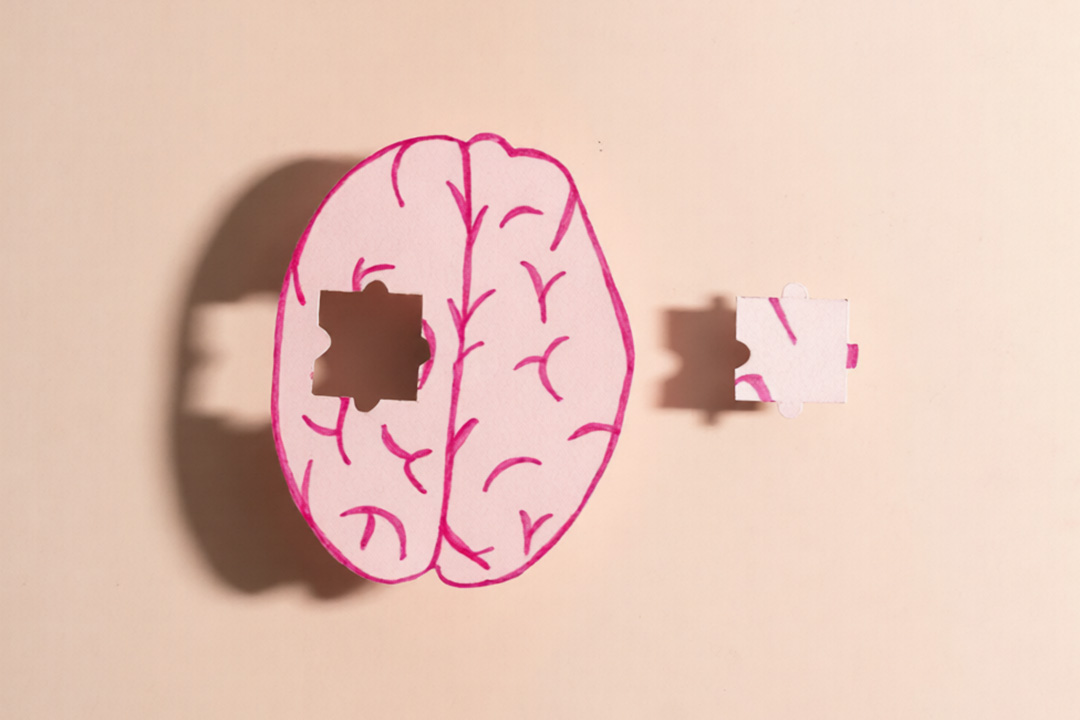
Different types of dementia are characterized by the cause and the area of the brain damaged by the underlying disease.
Primary: Caused directly by a brain disease, the primary types of Dementia include:
- Alzheimer’s Diseases
- Frontotemporal Dementia
- Vascular Dementia
- Lewy body Dementia
- Mixed Dementia
Secondary: The causative factor of secondary types of dementia are other medical conditions like Parkinson’s, Creutzfeldt-Jakob disease, Encephalitis, Meningitis, Stroke, traumatic brain injury, Huntington’s disease, and so on which eventually cause brain damage.
Dementia is NOT a normal biological consequence of aging. It is a progressive, neurodegenerative condition with no cure that has physical, mental, social, and economic impacts for both the individual and their family/ caregivers.
Common Symptoms People Ignore
Memory loss or decline is the symptom that people commonly associate with dementia. However, several other symptoms indicate the onset of the syndrome. Early signs often appear as subtle shifts in personality or logic. Recognizing these symptoms early allows for a more effective management plan. Dementia symptoms are divided into two categories – cognitive and behavioural.
Cognitive Symptoms:
- Poor judgment, disorientation and confusion
- Losing track of days or time
- Difficulty in speaking or expressing thoughts
- Repetitive questions or difficulty in understanding thoughts
- Reading, writing, and language challenges
- Unusual words to refer to known/ common objects
- Problems with reasoning, logical thinking or problem solving
- Getting lost or wandering in a known neighbourhood
- Trouble handling money or paying bills
- Taking longer to do daily activities
Behavioural Symptoms:
- Depression, anxiety or mood disorders
- Personality changes including agitation and irritability
- Acting impulsively or inappropriate behaviour
- Hallucinations, paranoia or delusion
- Inability to understand other’s emotions
- Fidgeting or repetitive movements
When to Worry?
Distinguishing between normal aging and dementia may be difficult. However, if you notice any of the following early red flags in yourself or a loved one, you should consult a medical professional like Dr. Rahul Chawla, the best Neurologist For Alzheimer’s in South Delhi, for early diagnosis and treatment.
- Persistent forgetfulness (Ex: forgetting names, important dates)
- Inability to recall recently learned information
- Periods of mental confusion (Ex: losing track of time)
- Safety risks (Ex: leaving stove on, being accident-prone)
- Sudden memory, mood or personality shifts
- Inability to perform daily tasks
- Decline in self-care or personal hygiene
- Getting lost or wandering off often
Don’t Wait for Memory to Fade Further!
Early detection is the most powerful tool we have. If you or a loved one is experiencing persistent forgetfulness or personality changes, consult Dr. Rahul Chawla, the best Dementia Specialist Doctor in Vasant Kunj, for a comprehensive neurological evaluation.
How is Diagnosis Done?
Given that memory loss can happen due to reversible and irreversible causes, the focus of leading neurologists is to use a comprehensive approach to see if the condition is potentially treatable. It is important to note that diagnosing dementia is a detailed process; since many disorders share similar symptoms, the doctor must adopt a rigorous approach to ensure accuracy.
Initial Consultation: The neurologist will try to gather as much information as possible about your symptoms, when they started, and how frequent they are. They will also gather information about any current medications you are on and your personal and family medical history.
Clinical Examination: The doctor will conduct a thorough physical and neurological examination to check your general health and brain functioning.
Diagnostic Tests: Depending upon the need, the doctor may order certain tests to confirm the diagnosis. These may include:
- Blood tests
- CT scans
- MRI scans
- PET scans
- Cognitive tests (memory, reasoning, language, judgment, etc.)
- Neuropsychiatric evaluations
- Spinal taps
Treatment Approach for Dementia and Memory Disorders
While most forms of dementia do not currently have any cure, they can be effectively managed. Early diagnosis by Dr Rahul Chawla, a leading memory loss doctor in Delhi, allows for a personalized intervention plan that can slow the progression of symptoms and significantly enhance the patient’s quality of life.
Medications: The doctor may prescribe medications to manage cognitive symptoms for temporary relief or slowing down progression. Furthermore, since some memory disorders and certain types of dementia are reversible, the doctor may also prescribe medications to address the underlying cause/ disease.
Therapies: The doctor may recommend occupational therapy and/or behavioural therapy to help patients learn coping behaviours, improve safety at home, and manage behaviour. Cognitive stimulation may also be recommended to preserve daily functioning for as long as possible. Alternative therapies like art therapy, music therapy, pet therapy, and so on may be suggested to improve mood, reduce agitation, and promote relaxation.
Environment Adjustments: Adjustments to the environment are often prescribed to ensure the dementia patient is safe. For instance, installing monitoring and security alert systems to alert the caregiver if they wander off, hiding knives and sharp objects, etc. Reducing clutter and noise in and around the home, using clear signages on doors, and so on makes it easier for individuals to focus and function, minimizing disorientation. Lifestyle Changes: The doctor will recommend lifestyle changes to support and maintain brain function including eating healthy, developing hobbies, regular physical exercise, social engagements, establishing routines, and so on. Future planning including long-term care planning may also be suggested.
Common Myths About Dementia and Memory Disorders
| Myth | Fact |
| Dementia, memory loss, and memory disorder are all the same. | Dementia is a specific syndrome that falls under the broader category of memory disorders, while memory loss is a common symptom of memory disorders. Memory disorders can be caused by many things (stress, vitamin deficiency, or age) and some types are reversible too. Dementia is a more severe, progressive decline in multiple cognitive areas, including reasoning, language, and behaviour. |
| Dementia is a normal part of aging. | While some forgetfulness is part of growing old, persistent and progressive loss of memory and/or cognitive functioning is not. Dementia is a progressive, neurodegenerative condition with no cure that has physical, mental, social, and economic impacts for both the individual and their family/ caregivers. Furthermore, people younger than 65 years of age may also be affected by the underlying diseases causing dementia. |
| Dementia is often hereditary/ genetic. | Genetics and family history are risk factors, increasing one’s risk of developing dementia but many people do not directly inherit it. Most forms of dementia (like late-onset Alzheimer’s) are influenced by a mix of lifestyle, environment, and age. Only a very small percentage of cases are purely genetic. |
| Dementia patients always become violent/ aggressive. | Dementia affects different individuals differently and not every individual gets aggressive or violent. It is important to understand that aggression and agitation aren’t a choice but often a result of the confusion and fear created by the changes in the brain. With proper care and environmental adjustments, these behaviours can be managed. |
| Nothing can be done for dementia. | While cures don’t exist for most types of dementia, they can be effectively managed with early diagnosis and an individualized approach. Early, individualized interventions can slow progression, manage symptoms, and significantly improve the quality of life for both the patient and the family. |
Don’t Wait for Memory to Fade Further!
Early detection is the most powerful tool we have. If you or a loved one is experiencing persistent forgetfulness or personality changes, consult Dr. Rahul Chawla, the best Dementia Specialist Doctor in Vasant Kunj, for a comprehensive neurological evaluation.
FAQs
No. Dementia is the umbrella term to describe a group of symptoms characterized by a decline in cognitive functioning, whereas Alzheimer’s is the specific disease that causes those symptoms. It is the most common cause, but not the only one. There are many others, such as Vascular Dementia or Frontotemporal Dementia.
In the very early stages, some individuals can live independently with support. However, as the condition progresses, 24/7 supervision usually becomes necessary to prevent accidents, wandering, or medication errors.
Most cases of dementia are not purely hereditary. However, a family history does increase the risk slightly. Dr Rahul Chawla, a trusted Dementia specialist in South Delhi, can provide guidance on risk factors and brain-healthy lifestyle choices for the family.
Yes, it is possible to delay onset or prevent dementia in some types of dementia. This can be done through lifestyle modifications, staying healthy, addressing risk factors, engaging in lifelong learning or hobbies, quitting smoking, and so on.
Technically, no. This is often referred to as a ‘reversible memory disorder’. Conditions like Vitamin B12 deficiency, thyroid imbalances, or even severe depression can mimic the symptoms of dementia. This is why a thorough evaluation by an expert like Dr Rahul Chawla is essential – some memory issues are entirely treatable.