




Parkinson’s Disease Specialist in Vasant Kunj
What is Parkinson’s Disease and Tremors?
Parkinson’s disease and tremors are movement disorders of the nervous system that affect the brain’s motor control centres. While all tremors are classified as involuntary movement disorders, it is a common misconception that all tremors are caused by Parkinson’s disease or underlying neurological conditions. For instance, essential tremors are typically caused by hereditary factors and physiological tremors by stress, illness, or caffeine.
Parkinson’s disease is a neurological disorder that occurs when nerve cells in the substantia nigra part of the brain begin to malfunction and die. The cells in this part are responsible for the production of dopamine, a chemical messenger critical for smooth, coordinated muscle movement. When dopamine levels drop, Parkinson’s symptoms begin to appear.
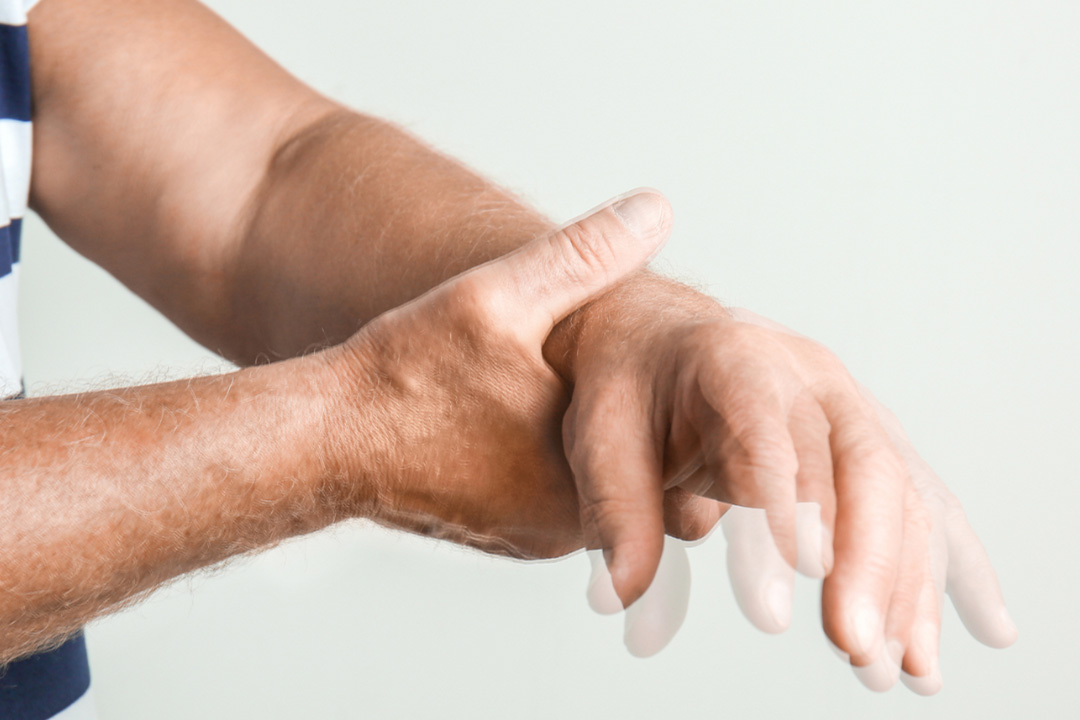
Parkison’s Disease is a progressive condition – it starts slowly (one may not even notice it at first) and worsens overtime, leading to more disability and disruption to even regular activities. Although there is no cure for this movement disorder, it is possible to reduce the symptoms and lead a better quality of life with an individualized management plan from a specialist like Dr. Rahul Chawla.
Common Symptoms People Ignore
Here are the common symptoms of Parkinson’s Disease:
- Resting Tremors: Involuntary shaking of hands or legs even while the limb is relaxed.
- Slowing of movements (Bradykinesia): Causing increased difficulty in walking and other everyday activities.
- Muscles stiffness/ rigidity: Causing difficulties in facial expression and muscle movements, as well as, painful muscle cramps.
- Unstable posture or gait: Slowing of movements and muscle rigidity causes a hunched or stooped posture and shuffling walk.
- Balance difficulties or loss of balance: Leading to a higher risk of falls and injuries.
The following are lesser-known symptoms of Parkinson’s Disease that people often ignore:
- Motor Symptoms:
- Blinking less often
- Little facial expression
- Cramped or small handwriting
- Drooling
- Trouble swallowing
- Unusually soft speaking voice
- Slurred or hesitant speaking
- Loss of automatic movements (smiling, blinking, etc.)
- Non-Motor Symptoms:
- Cognitive impairment
- Mental health issues
- Sleep disorders
- Dementia
- Urinary incontinence
- Constipation
- Loss of smell
When to Worry?
Parkinson’s Disease may not be medical emergency like a stroke but it is a progressive, degenerative condition that worsens with time. Most individuals wait until their resting tremors or other symptoms become visible to visit a doctor. However, it is possible to slow down disease progression and have a better quality of life with early intervention by an expert like Dr. Rahul Chawla, leading specialist for Parkinson Disease Treatment in Vasant Kunj.
You should immediately consult a specialist if you or your loved one experience:
- Slight tremor/ shaking in finger, thumb, chin, or hand while at rest
- Freezing of gait (feet feeling stuck to floor while walking or making a turn)
- Sudden, frequent falls
- Severe difficulty swallowing
- Hallucinations or delusions
- Frequent fainting or dizzy spells
- Sudden low/ soft voice or loss of smell
If you or your loved one is already on Parkinson’s medication and experience a return of tremors or muscle stiffness between doses, you should consult a neurologist immediately. It is a sign that your treatment plan needs to be optimized.
Take control of your movement with Dr. Rahul Chawla
Early intervention is the most powerful tool to preserve mobility and maintain independence for Parkinson’s patients. So, don’t wait for you symptoms to worsen. Get a comprehensive movement disorder evaluation with Dr. Rahul Chawla, the leading neurologist for Parkinson’s Disease Treatment in South Delhi, and start your journey toward a better quality of life.
How is Diagnosis Done?
There are no definitive lab or diagnostic tests to confirm a Parkinson’s Disease diagnosis. It is diagnosed through a clinical process that requires the expertise of a neurologist.
Initial Consultation: In this step, the neurologist will try to gather as much information as possible about your symptoms and difficulties as well as your medical history.
Clinical Examination: The doctor will conduct a thorough physical and neurological examination to check your muscles, motor function, reflexes, gait, coordination, and so on. They will also review your non-motor symptoms such as sleep patterns, constipation, and so on.
Diagnostic Tests: Where genuinely required, the neurologist may ask you to get blood tests, MRI Brain, CT Brain, genetic testing, and/or PET scans. These tests aid the healthcare provider to rule out other conditions.
Treatment Approach for Parkinson’s Disease and Tremors
Parkinson’s Disease is not curable but is definitely manageable with an individualized, evidence-based plan. Treatments help relieve or reduce symptoms, maintain quality of life, and regain independence. Dr. Rahul Chawla, a leading Parkinson’s disease specialist in Delhi, typically adopts the following approach for Parkinson’s treatment.
Pharmacological Management: The neurologist will prescribe medicines to treat tremors, stiffness, and slow movements, as well as, for specific symptoms like sleep problems, fatigue, depression, etc.
Physical, Occupational & Speech Therapy: A physiotherapist will suggest targeted exercises for improving walking and flexibility, reducing stiffness, and enabling easy movements. An occupational therapist will help address everyday challenges like dressing oneself. They will also help ensure safety at home and work. A speech and language therapist will help the individual to improve their speech and swallowing.
Advanced Interventions: When the patient’s condition cannot be managed effectively with medication, the neurologist may suggest Deep Brain Stimulation (DBS) or other surgical interventions.
Lifestyle & Diet Changes: The doctor may suggest nutrition management to aid medication absorption and implementing specific exercise routines to improve neuroplasticity.
Common Myths About Parkinson’s Disease and Tremors
| Myth | Fact |
| Parkinson’s is only shaking or tremors. | Parkinson’s is a multi-system disorder, that is more than just tremors. While tremors or involuntary shaking are the most common and visible symptom of Parkinson’s disease, many individuals struggle with motor symptoms like sensory changes, small handwriting, drooling, masking face, etc. and non-motor symptoms like depression, anxiety, hallucinations, sleep issues, and digestive concerns. In some cases, patients with Parkinson’s may not experience tremors at all. |
| Parkinson’s medications are toxic or cause symptoms. | Parkison’s medications are highly effective at reducing symptoms and improve the patient’s quality of life. But this already-debunked and highly misleading myth is hurting patients. |
| All tremors are Parkinson’s Disease. | While all tremors are classified as involuntary movement disorders, it is a common misconception that all tremors are caused by Parkinson’s disease or underlying neurological conditions. For instance, essential tremors are typically caused by hereditary factors and physiological tremors by stress, illness, or caffeine. |
| Parkinson’s Disease is fatal. | A Parkinson’s diagnosis may be devastating but is not necessarily a death sentence. It is not a direct killer like a heart attack or stroke but secondary causes such as falls, delirium, choking hazards, and infections can be dangerous. With a proper management plan that combines medication, therapies, and lifestyle modification, you can minimize risks and live a better quality of life. |
| Parkinson’s affects only older people. | Parkinson’s typically develops in people over 50 but it can affect those between 21-50 as well, especially those with a family history of the disease. Although Young-Onset Parkinson’s disease affects a small population and progresses more slowly, there is a higher risk of anxiety and depression, requiring more mental health support. |
Take control of your movement with Dr. Rahul Chawla
Early intervention is the most powerful tool to preserve mobility and maintain independence for Parkinson’s patients. So, don’t wait for you symptoms to worsen. Get a comprehensive movement disorder evaluation with Dr. Rahul Chawla, the leading neurologist for Parkinson’s Disease Treatment in South Delhi, and start your journey toward a better quality of life.
FAQs
While most cases of Parkinson’s are not directly inherited, genetics can play a role, especially in Young-Onset cases. About 10–15% of people with Parkinson’s have a family history of the condition. If someone in your family has Parkinson’s and you are concerned, you should consult a neurologist. You can online neurology consultation in Delhi or anywhere in India with Dr. Rahul Chawla using the healthpil.com platform and discuss your concerns.
There is no guaranteed way to prevent Parkinson’s, but research suggests that a healthy lifestyle including regular aerobic exercise and a diet rich in antioxidants may support brain health. Early detection, however, is the most effective way to manage the disease and slow its impact on your life. If you notice any early warning signs, you should consult a neurologist like Dr. Rahul Chawla.
While some Parkinson’s medications can show a noticeable improvement in movement within a few days or weeks, finding the perfect dosage and combination for you may take a few months of observation, review, and adjustment. For movement disorder evaluation in South Delhi, consult Dr. Rahul Chawla.
Individualized, evidence-based treatment plans are developed by neurologists to help relieve or reduce symptoms, maintain quality of life, and regain independence. The treatment plan may include medications, physiotherapy, occupational therapy, speech therapy, advanced interventions, and lifestyle modifications.
While Deep Brain Stimulation (DBS) is a powerful tool for advanced cases, it is not the only option. Many patients find significant relief through adjusted medication schedules, specialized physical, and advanced non-surgical therapies.