




Trigeminal Neuralgia Specialist in Vasant Kunj
What is Trigeminal Neuralgia?
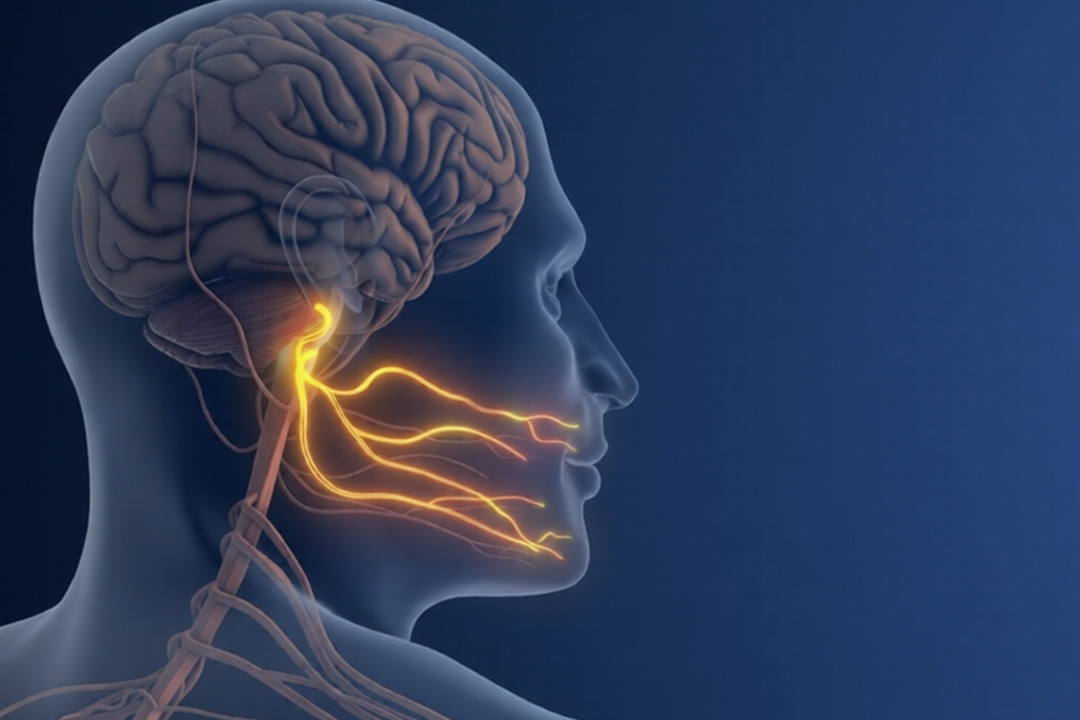
Trigeminal neuralgia (TN) is a chronic condition that causes intense facial pain, similar to electric shocks. The trigeminal nerve is the one that carries signals from the face to the brain and provides sensation to the head and face. The condition occurs when the trigeminal nerve’s function is disrupted or irritated. The most common cause is contact between a normal blood vessel and the trigeminal nerve at the base of the brain. This contact puts pressure on the nerve and causes it to malfunction. Other causes include tumours, demyelination, facial trauma, stroke, nerve lesions, and so on.
If an individual has TN, even a light touch from putting on makeup or brushing may trigger intense pain in the face. These attacks typically start as mild, short bouts of few seconds up to two minutes and can happen a few times a day. Overtime, the condition could get worse, triggering longer periods of pain that occur several times a day. TN is can disrupt the individual’s day-to-day functioning, causing intense pain while smiling, chewing, talking, or brushing teeth.
Trigeminal neuralgia is more common in women and people above the 50 years of age but it can affect anyone. It is not a life-threatening condition but it can be life-altering for an individual living with it. Several treatment options are available to manage symptoms and relieve pain.
Common Symptoms People Ignore
Trigeminal neuralgia is characterized by facial pain. Below are some of the common symptoms experienced by patients with TN:
- Episodes of intense shooting/ jabbing pain in the face
- Sudden episodes of pain triggered even by light touch
- Pain with facial spasms or twitching
- Pain episodes lasting few seconds to two minutes
- Pain episodes lasting days, weeks or longer
- Pain on one side of the face at a time
- Pain in the jaw, teeth, lips, gums, or cheeks
- Burning, throbbing, dull aching, numbness or tingling between attacks
- Anxiety from the thought of pain
The following are lesser-known symptoms that people don’t associate with trigeminal neuralgia.
- Persistent dull aching or burning sensation
- Involuntary eye redness or tearing up
- Pain behind ears, in the scalp or around the eye/ forehead
- Blurred vision or dry eyes
When to Worry?
You should consult an expert like Dr. Rahul Chawla, a leading Trigeminal Neuralgia Specialist in Vasant Kunj, if you notice any of the following red flags.
- Regular episodes of intense pain in the face
- Facial numbness, tingling or weakness
- Intense facial twitching or spams
- Facial pain accompanied by fever or vision changes
- Facial pain is accompanied by unexplained weight loss, depression, or distress
Don’t Live in Fear of the Next Attack!
Trigeminal Neuralgia is a challenging condition, but you do not have to manage it alone. If you or your loved ones experience any TN symptoms, consult Dr. Rahul Chawla for expert guidance and advanced treatment options for facial pain.
How is Diagnosis Done?
Initial Consultation: For an accurate diagnosis of Trigeminal Neuralgia, the doctor requires a clear description of your pain. For this, they will ask you a set of questions to get information about the exact location of pain, type of pain, and triggers. They will also collect information about your personal and family medical history.
Clinical Examination: The doctor will conduct a thorough physical and neurological exam. By touching and examining your face, head, and neck, he can map the pain to specific branches of the trigeminal nerve. Reflex tests may also be conducted to assess nerve function and rule out other potential causes of facial pain.
Diagnostic Tests: Depending upon the need, the doctor may order brain MRI, MRA, or blood tests to confirm the diagnosis, identify root causes, and rule out other conditions.
Severe Facial Nerve Pain Treatment in South Delhi
Treatment for Trigeminal Neuralgia typically starts with medications. If medications are not able to provide lasting relief, the patient stops responding to medications or develop side effects, the doctor may consider alternative approaches or surgery. Dr. Rahul Chawla, the best neurologist in South Delhi, adopts a holistic, compassionate approach to design a treatment plan that works for the patient.
Medications: The doctor may prescribe pain medications, muscle relaxants, anti-convulsant medicines, and opiods depending upon the patient’s condition. Botox injections may also be prescribed.
Therapies: The doctor may prescribe psychotherapy, acupuncture, yoga, aromatherapy, and meditation to address the emotional impact of TN symptoms.
Surgery: Surgery may be recommended by the doctor if medications and alternative therapies are ineffective.
Common Myths About Trigeminal Neuralgia
| Myth | Fact |
| Trigeminal Neuralgia is just a bad tooth ache. | While pain may be felt in the teeth and jaw, Trigeminal Neuralgia is a neurological problem. It is chronic condition that causes intense facial pain, similar to electric shocks. Many patients end up getting unnecessary dental work before getting the right neurological diagnosis. |
| Only women and elderly get Trigeminal Neuralgia. | While women and people over 50 are at a higher risk, TN can affect people across age groups and genders. It is important not to ignore symptoms and get the right treatment for lasting relief. |
| Pain is only in the patient’s head. | Absolutely not. Trigeminal Neuralgia is a distressing physical and physiological condition caused by nerve disruption or irritation. The pain is real and has both physical and emotional consequences for patients living with TN. |
| TN is caused by Shingles. | While Shingles infections do cause postherpetic neuralgia and nerve pain, Trigeminal Neuralgia has several other causes. TN is most frequently caused by a blood vessel compressing the trigeminal nerve or less commonly by multiple sclerosis (MS). |
| There are lots of side effects from Trigeminal Neuralgia medications. | Trigeminal Neuralgia medication may cause some side effects like dizziness, drowsiness, cognitive fog, and instability but it may not occur in all patients. If the side effects are persistent, the doctor may review medications and suggest alternative therapies or surgery. |
Don’t Live in Fear of the Next Attack!
Trigeminal Neuralgia is a challenging condition, but you do not have to manage it alone. If you or your loved ones experience any TN symptoms, consult Dr. Rahul Chawla for expert guidance and advanced treatment options for facial pain.
FAQs
TN pain can sometimes go into remission where the pain disappears for months or even years. However, the underlying cause (like nerve compression) usually remains, and the pain often returns, sometimes more severely. This is why medical management is important even during quiet periods. If you experience persistent symptoms, consult Dr. Rahul Chawla, a trusted face pain doctor in Vasant Kunj/ South Delhi for long-term relief.
For individuals with Trigeminal Neuralgia, common triggers include cold wind, hot or cold drinks, chewing, talking, or even a light touch to the face. It is considered useful to maintain a pain dairy to identify specific triggers and share with your neurologist in your next visit.
If your teeth and gums appear healthy on an X-ray but you are experiencing sharp, stabbing pain, your dentist likely suspects that the toothache is actually coming from the trigeminal nerve. A neurologist is the right specialist to treat this.
You should consult an expert like Dr. Rahul Chawla, a leading Trigeminal Neuralgia Specialist in Vasant Kunj, if you notice any of the following red flags.
- Regular episodes of intense pain in the face
- Facial numbness, tingling or weakness
- Intense facial twitching or spams
- Facial pain accompanied by fever or vision changes.
- Facial pain is accompanied by unexplained weight loss, depression, or distress
Trigeminal Neuralgia Type 1 (TN1) is characterized by severe, intermittent stabbing pain. Trigeminal Neuralgia Type 2 (TN2) or atypical trigeminal neuralgia involves a more constant burning or aching pain.