




Lumbar and Cervical Spondylosis Specialist In Vasant Kunj
What is Cervical and Lumbar Spondylosis?
Spondylosis is a broad term used to refer to degeneration of the intervertebral discs, vertebrae, and joints and ligaments associated with the spine. This mostly happens due to age-related wear and tear that causes changes to the structure of the spine such as disc herniation/ bulging, disc dehydration and shrinking, nerve compression, ligament stiffness, and bone spurs.
While age is a major risk factor for spondylosis, there are several other risk factors contributing to severe and early degeneration. These risk factors include obesity, overuse, occupational risks (awkward position, tech neck, etc.), sedentary behaviours, injuries, genetic factors, and smoking.
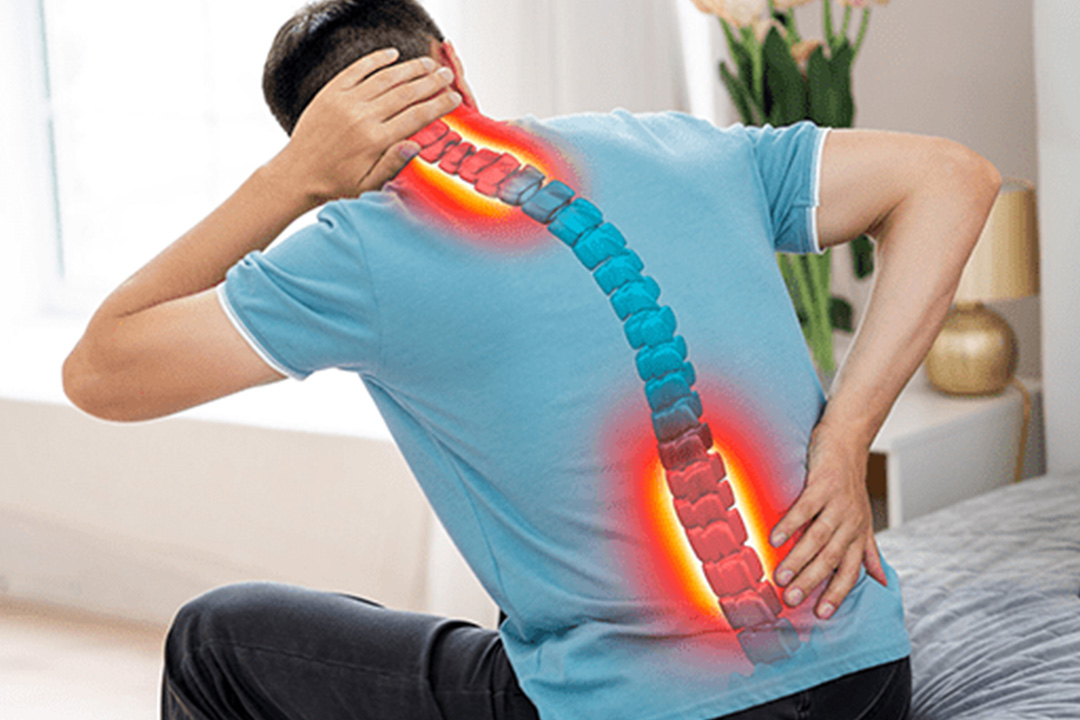
The human spine is divided into 3 parts – lumbar spine (lower back), cervical spine (neck), and thoracic spine (middle back). Spondylosis is divided into four types based on the location of the degeneration:
- Cervical Spondylosis: When discs, vertebrae, and ligaments in the neck degenerate, it is called cervical spondylosis. This is common because of the neck’s high mobility. s
- Lumbar Spondylosis: When spinal degeneration happens in the lower back, it is called lumbar spondylosis. Since the lower back supports the body’s weight, it is more susceptible to wear and tear.
- Thoracic Spondylosis: Disc, ligament, and joint degeneration in the middle back is called thoracic spondylosis. Since the rib cage stabilizes the thoracic spine, thoracic spondylosis is rare.
- Multilevel Spondylosis: When degeneration happens in multiple regions of the spine, it is called multilevel spondylosis.
Even though cervical and lumbar spondylosis are not life-threatening conditions, they can significantly affect an individual’s quality of life and may lead to long-term complications if left untreated.
Common Symptoms People Ignore
People with cervical and lumbar spondylosis may or may not experience pain or symptoms. For individuals with no symptoms, the condition is often identified when they are being assessed for other medical issues. When symptoms occur, they vary based on the location and underlying cause of spondylosis. Common symptoms of cervical and lumbar spondylosis include:
- Pain in the lower back or neck
- Stiffness in the back or neck
The following are lesser-known symptoms that people don’t associate with cervical and lumbar spondylosis and often ignore.
- A bump or knot in the neck
- Headaches, especially in the back of the head
- Shooting or radiating pain
- Shoulders
- Arms
- Legs
- Feet
- Buttocks
- Muscle spasms
- Foot drop/ motor weakness
- Tingling or numbness in the arms, legs, thighs, or buttocks
- Lack of coordination
- Loss of balance
- Palpitations
- Vertigo
- Abdominal discomfort
When to Worry?
In most cases, cervical and lumbar spondylosis are not life-threatening. However, early diagnosis and treatment will significantly improve the patient’s quality of life while reducing risks of complications. When spondylosis causes serious compression of the spinal cord or nerve roots, the damage can be permanent. In case you notice any of these red flags, you should see a neurologist for examination as soon as possible to prevent complications.
- Persistent pain in the back or neck
- Persistent numbness or tingling
- Shooting pain in shoulder, arms, legs, buttocks
- Loss of coordination
- Difficulty walking
- Chronic headaches
- Dizziness or vertigo
Chronic neck or back pain shouldn’t be your ‘new normal’!
With the right neurological intervention, you can regain your mobility and live a pain-free life. Consult Dr. Rahul Chawla, a leading Spine Specialist Doctor in Vasant Kunj, South Delhi, today for a comprehensive spinal evaluation and personalized management plan.
How is Diagnosis Done?
Initial Consultation: The doctor will gather information about your complete personal and family medical history. They may ask questions to know about your symptoms, their frequency, and severity.
Clinical Examination: The doctor will conduct a thorough physical and neurological examination to check your general health, movement, range of motion, gait, coordination, palpitation, pain, stiffness, tenderness, coordination, and so on.
Diagnostic Tests: Depending upon the need, the doctor may order diagnostic tests such as X-Rays, CT scan, and MRI scans to identify changes in the spine. EMG (Electromyography) and NCS (Nerve Conduction Study) may be required to test if nerve signals are properly travelling to the muscles. They may also order blood work or other tests to rule out other causes of your symptoms including infections, cancer, or other neurological concerns.
Cervical and Lumbar Spondylosis Treatment In South Delhi
Treatment for cervical and lumbar spondylosis depends entirely upon the type and severity of symptoms. Most medical practitioners begin with non-surgical treatments and suggest interventional treatments and surgery when non-invasive approaches aren’t effective.
Dr. Rahul Chawla, specialist in Non-Surgical Spondylosis Treatment in Vasant Kunj, adopts a holistic, compassionate approach to treating spondylosis focused on empowering patients to lead healthier, happier lives.
Medications: The doctor may prescribe short courses of pain relievers, muscle relaxants, and anti-inflammatory medicines to address acute pain, stiffness, and inflammation.
Physical Therapy: Doctors suggest guided physical therapy to spondylosis patients to help strengthen back, neck and core muscles, relieve stiffness, and improve flexibility.
Alternative Therapies: Radiofrequency ablation and nerve stimulation therapies may also be prescribed depending upon the severity of the problem.
Self-Care: The doctor may recommend hot/ cold compress, massage, yoga, traction, neck/ waist brace, acupuncture, and so on.
Spinal Injections: When medications are not able to provide relief to patients, the doctor may prescribe epidural injections or steroids.
Surgery: In severe cases or when all other treatment options are ineffective, the doctor may recommend spinal fusion, laminectomy or discectomy for spine stabilization and lasting relief.
Lifestyle Changes: From activity modifications and ergonomic improvements to stress management, weight reduction, and dietary changes, managing spondylosis may require a number of lifestyle changes.
Common Myths About Cervical and Lumbar Spondylosis
| Myth | Fact |
| Spondylosis is an ‘old age’ problem. | While age is a major risk factor for spondylosis, there are several other risk factors contributing to severe and early degeneration. These risk factors include obesity, overuse, occupational risks (awkward position, tech neck, etc.), sedentary behaviours, injuries, genetic factors, and smoking. |
| Spondylosis is just back pain. | Spondylosis is much more than simple muscle soreness; it is a structural degenerative condition involving disc herniation, bone spurs, and ligament stiffness. When there is nerve compression/ pinching because of the degeneration, it is accompanied by neurological symptoms like tingling, numbness, and weakness in arms or legs. |
| Complete bed rest is the best treatment for spondylosis. | Bedrest, unless recommended by the doctor, can actually be harmful and worsen the symptoms. Prolonged bedrest can cause stiffness, numbness, lung complications, and other complications. Low-impact exercises (yoga, stretching, swimming) and guided physiotherapy will help strengthen muscles, flexibility, and mobility. Note: It is important to follow your doctor advice on physical activities. |
| Spondylosis always causes severe pain. | People with cervical and lumbar spondylosis may or may not experience pain or symptoms. For individuals with no symptoms, the condition is often identified when they are being assessed for other medical issues. When symptoms occur, they vary based on the location and underlying cause of spondylosis. |
| Surgery is the only option available for lumbar & cervical spondylosis. | Medications, physical therapy, non-surgical interventions, and lifestyle often yield significant improvements in quality of life. Doctors recommend surgery only when there is severe nerve compression and conservative techniques are ineffective. |
Chronic neck or back pain shouldn’t be your ‘new normal’!
With the right neurological intervention, you can regain your mobility and live a pain-free life. Consult Dr. Rahul Chawla, a leading Spine Specialist Doctor in Vasant Kunj, South Delhi, today for a comprehensive spinal evaluation and personalized management plan.
FAQs
While they sound similar, they are different. Spondylosis is wear-and-tear (degenerative), whereas Spondylitis is an inflammatory condition (often autoimmune) that can cause the vertebrae to fuse together.
Cervical and lumbar spondylosis are a common, chronic conditions that are not life-threatening per se but can have long-term complications if left untreated. It is usually manageable with conservative care (physical therapy, medication, exercise, and lifestyle changes) but can cause severe nerve compression or pain in rare cases where surgery may be necessary.
While age is a major risk factor for spondylosis, it is increasingly seen in younger populations due to risk factors like obesity, sedentary lifestyles, occupational risks (tech neck, heavy lifting), and so on. It may not be possible to completely prevent it but you can significantly delay its progression or manage it through lifestyle modifications (particularly quitting smoking), ergonomic improvements, exercise, dietary changes, and maintaining a healthy weight.
Absolutely. Consistently tilting your head down at a 45-to-60-degree angle to look at a phone or computer puts up to 60 pounds of pressure on your cervical spine. Over time, this accelerates the wear and tear of the discs, leading to cervical spondylosis.
You should seek a consultation with a back pain specialist in South Delhi like Dr. Rahul Chawla if your pain is persistent, radiates down your arms or legs, is accompanied by numbness, or if you notice a sudden change in your bladder or bowel control.