


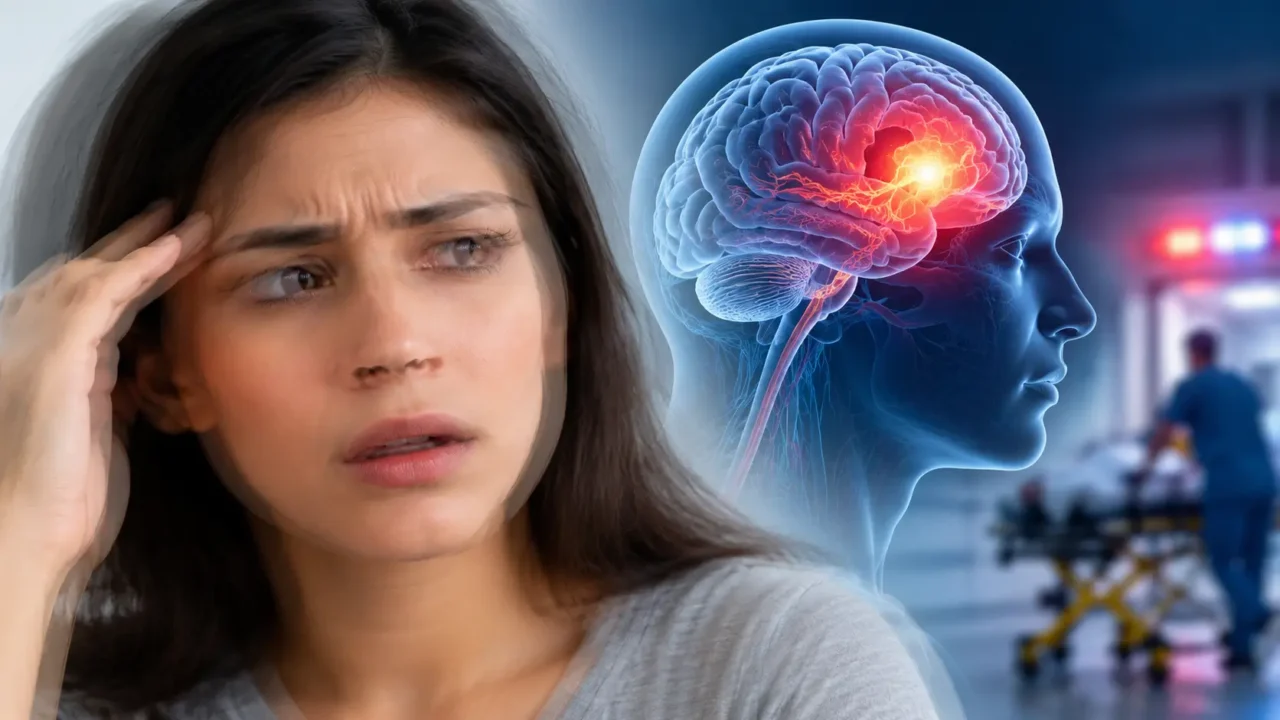
Seeing two images of a single object can be frightening. Double vision (diplopia) may arise from an eye problem, but new binocular double vision can also indicate a problem with the nerves, muscles or brain pathways controlling eye movement. The pattern of double vision symptoms and associated warning signs help determine how urgently it needs to be evaluated.
Dr. Rahul Chawla, Consultant Neurologist at ISIC Multispeciality Hospital, Vasant Kunj, New Delhi, evaluates neurological symptoms with an emphasis on identifying their underlying cause and recognising conditions that need urgent care.
Table of Contents
What Is Double Vision?
Double vision, medically known as diplopia, is a condition in which a person sees two images of a single object. The images may appear side by side, one above the other, or diagonally separated.
There are two main types of double vision:
- Binocular Double Vision
Binocular diplopia occurs when both eyes are open and disappears when either eye is covered. It usually results from misalignment of the eyes, which may be caused by problems affecting the eye muscles, cranial nerves or brain pathways responsible for controlling eye movements.
- Monocular Double Vision
Monocular double vision (diplopia) persists even when the affected eye is the only eye open. It is more commonly associated with eye conditions such as cataracts, dry eyes or refractive abnormalities.
Understanding the difference is important because binocular double vision may sometimes indicate an underlying neurological disorder requiring urgent evaluation.
Common Double Vision Causes
Double vision can develop due to several neurological, muscular and ophthalmological conditions.
Common double vision causes include:
- Cranial Nerve Palsy: Damage to the third, fourth or sixth cranial nerves can affect eye movements and cause double vision.
- Diabetes: Long-standing diabetes can damage the small blood vessels supplying the nerves controlling eye movements.
- Myasthenia Gravis: An autoimmune neuromuscular disorder that may cause fluctuating double vision and drooping eyelids, often worsening with fatigue.
- Thyroid Eye Disease: Inflammation and enlargement of the muscles around the eyes can restrict eye movements.
- Brainstem Stroke: A stroke affecting the brainstem can disrupt the pathways responsible for coordinating eye movements.
- Multiple Sclerosis: Demyelination affecting eye movement pathways may cause double vision, particularly in younger adults. (Learn more about the early signs of multiple sclerosis)
- Brain Aneurysm: Certain aneurysms can compress the third cranial nerve, sometimes causing painful double vision with eyelid drooping and pupil enlargement.
Not every patient with double vision has a serious neurological disorder. However, identifying the underlying double vision cause is essential, particularly when symptoms begin suddenly.
Warning Signs You Should Not Ignore
Sudden double vision should never be dismissed as simple eye strain, especially when it is accompanied by other neurological symptoms.
Seek immediate medical attention if double vision occurs with:
- Sudden weakness or numbness in the arms or legs
- Slurred speech or difficulty speaking
- Severe headache
- Drooping of one eyelid
- Unequal pupils or a newly dilated pupil
- Difficulty walking or loss of balance
- Sudden dizziness with neurological symptoms
- Difficulty swallowing
- Loss of consciousness
These symptoms may indicate a serious neurological condition such as a brainstem stroke, aneurysm or another acute neurological disorder.
Sudden-onset binocular double vision requires prompt medical evaluation, even when no other symptoms are present.
How Is Double Vision Diagnosed?
Double vision diagnosis requires a detailed clinical assessment to determine whether the problem originates in the eyes, eye muscles, cranial nerves or brain.
Dr. Rahul Chawla evaluates the pattern of double vision, associated neurological symptoms and relevant medical history.
Investigations may include:
- Neurological Examination: Assessment of cranial nerves, muscle strength, coordination and balance.
- Eye Movement Examination: Evaluation of eye alignment and movements in different directions.
- MRI Brain: May be recommended when a neurological cause is suspected.
- CT or MR Angiography: Used in selected cases to evaluate possible aneurysms or vascular abnormalities.
- Blood Investigations: Including blood sugar, thyroid function and other relevant tests.
- Myasthenia Gravis Testing: Antibody testing and specialised electrophysiological investigations when clinically indicated.
Not every patient requires all these investigations. The choice depends on the clinical findings and suspected diagnosis.
Double Vision Treatment
Treatment depends on the underlying cause of double vision.
Common double vision treatment approaches include:
- Treatment of the Underlying Neurological Disorder
Conditions such as stroke, multiple sclerosis or myasthenia gravis require disease-specific treatment.
- Management of Diabetes and Other Risk Factors
Good control of diabetes, blood pressure and other vascular risk factors is important in patients with microvascular cranial nerve palsies.
- Medications
Certain inflammatory, autoimmune or neuromuscular conditions may require medications prescribed according to the diagnosis.
- Prism Glasses
Prism lenses may help selected patients by reducing double vision caused by eye misalignment.
- Temporary Eye Occlusion
Covering one eye temporarily may relieve troublesome double vision while the underlying condition is being investigated or treated.
- Surgery
Selected patients with persistent eye misalignment may benefit from corrective eye muscle surgery after appropriate specialist evaluation.
Some double vision causes improve over time, while others require long-term treatment. Early diagnosis helps guide appropriate management.
When Should You Consult a Neurologist?
You should consult a neurologist if you experience:
- New or unexplained binocular double vision
- Repeated episodes of double vision
- Double vision associated with drooping eyelids
- Double vision that worsens with fatigue
- Eye movement abnormalities
- Double vision associated with weakness, imbalance or other neurological symptoms
Sudden double vision with severe headache, pupil abnormalities or stroke-like symptoms requires emergency evaluation rather than a routine outpatient appointment.
Visit ISIC Multispeciality Hospital, Vasant Kunj
If you are experiencing double vision, unexplained eye movement problems or other neurological symptoms, a detailed neurological assessment can help identify the underlying cause.
Dr. Rahul Chawla, Consultant Neurologist at ISIC Multispeciality Hospital, Vasant Kunj, New Delhi, provides precision-led double vision evaluation in South Delhi and evidence-based management of neurological conditions affecting the brain, nerves and muscles.
Clinic Address:
ISIC Multispeciality Hospital, Indian Spinal Injuries Centre, Plot C, Vasant Kunj Rd, opposite Vasant Valley School, IAA Colony, Sector C, Vasant Kunj, New Delhi, Delhi, 110070
Phone: +91 96259 60259
Website: www.drrahulchawla.com
Online Consultation & Appointments:
Serving patients from:
Vasant Kunj, Saket, Hauz Khas, RK Puram, Green Park, Malviya Nagar, Greater Kailash, South Extension, Safdarjung Enclave, and nearby South Delhi areas.
Frequently Asked Questions
Can double vision be a sign of stroke?
Yes. Sudden double vision can sometimes occur due to a stroke affecting the brainstem or pathways controlling eye movements. It is particularly concerning when accompanied by dizziness, imbalance, weakness or speech difficulties.
Can diabetes cause double vision?
Yes. Diabetes can affect the small blood vessels supplying cranial nerves responsible for eye movements. This may cause temporary nerve palsy and double vision. However, other potentially serious causes must be excluded before attributing new symptoms to diabetes.
Is double vision caused by stress or lack of sleep?
Fatigue and stress may worsen symptoms of certain conditions, including myasthenia gravis or pre-existing eye alignment problems. However, new binocular double vision should not automatically be attributed to stress or sleep deprivation.
Does double vision always require an MRI?
No. MRI is not necessary in every case. The decision depends on the patient’s age, medical history, examination findings, onset of symptoms and suspected underlying cause. Some patients require urgent brain or vascular imaging.
Can double vision go away on its own?
Some causes, particularly certain microvascular cranial nerve palsies, may improve over several weeks to months. Other conditions require specific medical or surgical treatment. New double vision should be evaluated before waiting for spontaneous recovery.
Which doctor should I consult for double vision?
An ophthalmologist can evaluate eye-related causes. A neurologist or neuro-ophthalmologist may be needed when double vision is associated with abnormal eye movements, cranial nerve dysfunction or other neurological symptoms. Sudden symptoms with neurological warning signs require emergency care.
For appointments with a trusted neurologist in South Delhi – Dr. Rahul Chawla, call: +91 96259 60259.


Content Details

Written By
Dr. Rahul Chawla
MBBS, MD Medicine, DM Neurology (AIIMS Delhi)