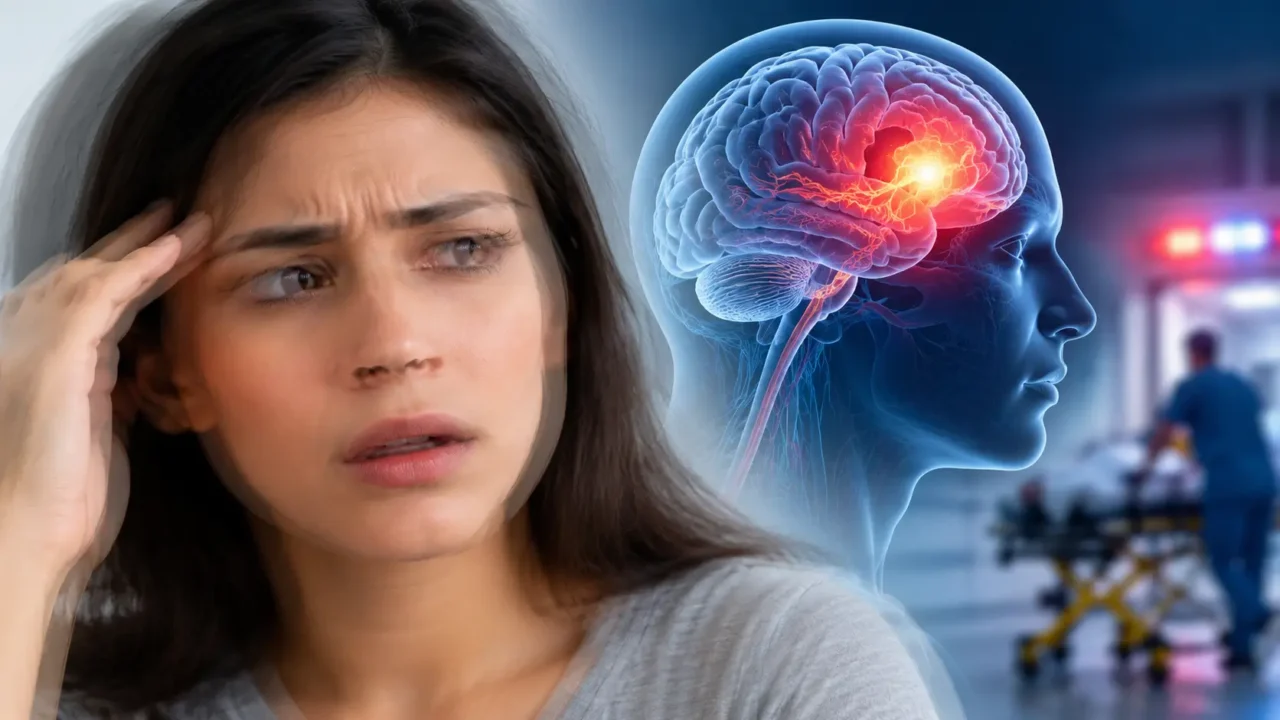
Many people experience headaches from time to time due to stress, lack of sleep, dehydration, or migraine. However, persistent headaches accompanied by neurological symptoms such as vomiting, seizures, weakness, or vision changes may occasionally indicate a more serious underlying condition, including a brain tumour. While they are relatively uncommon, recognising brain tumour symptoms early is important for timely diagnosis and treatment.
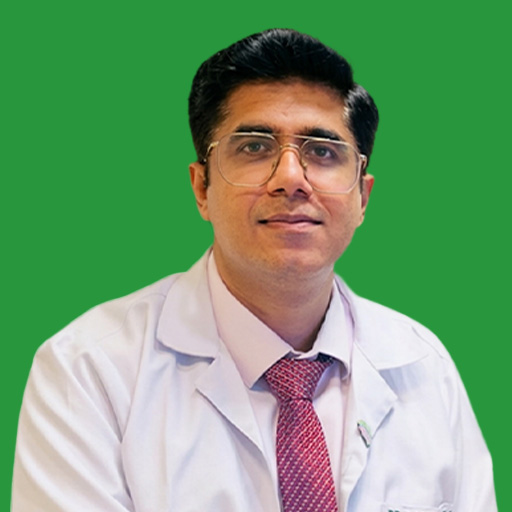
Dr. Rahul Chawla, Consultant Neurologist at ISIC Multispeciality Hospital, Vasant Kunj, says many patients delay neurological evaluation because they assume the early signs of brain tumour are related to migraine, stress, or aging. Persistent or progressively worsening neurological symptoms should never be ignored.
Common Symptoms of a Brain Tumour
Brain tumour symptoms depend on the size of the tumour, its location, and the part of the brain it affects. Symptoms often develop gradually, although some people may experience sudden neurological symptoms depending on the tumour’s location.
Common brain tumour symptoms include:
- Persistent or progressively worsening headaches
- Headaches that are worse in the morning
- Recurrent vomiting without an obvious cause
- New-onset seizures
- Weakness in an arm or leg
- Difficulty speaking
- Blurred or double vision
- Difficulty maintaining balance
- Personality or behavioural changes
- Memory or concentration problems
Not every headache is caused by a brain tumour. However, headaches associated with other neurological symptoms require prompt medical evaluation.
What Causes Brain Tumours?
The exact cause of most brain tumours is not known.
Certain factors may increase the risk, including:
- Increasing age
- Previous radiation exposure to the head
- Certain inherited genetic conditions
- Previous history of brain tumours
Most brain tumours develop without any identifiable risk factor.
Dr. Rahul Chawla, leading neurologist in South Delhi serving at ISIC Multispeciality Hospital, Vasant Kunj, says, “Persistent headaches that continue to worsen or are associated with seizures, weakness, or vision problems should always be evaluated by a neurologist. Early diagnosis can significantly improve treatment outcomes.”
How Is a Brain Tumour Diagnosed?
Brain tumour diagnosis involves a detailed neurological assessment along with advanced brain imaging.
Investigations may include:
- Neurological examination
- MRI Brain
- CT Scan when required
- Vision assessment
- Cognitive evaluation
- Additional investigations depending on the findings
Brain imaging helps identify the presence, size, and location of a tumour, allowing appropriate treatment planning.
Treatment for Brain Tumours
Treatment depends on the type, size, and location of the tumour, as well as the patient’s overall health.
Treatment may include:
- Regular monitoring for selected benign tumours
- Medications to reduce brain swelling
- Anti-seizure medications when required
- Brain tumour surgery
- Radiation therapy
- Chemotherapy in selected cases
- Long-term neurological follow-up
Many brain tumours can be managed successfully when diagnosed early and treated by a multidisciplinary team.
When Should You Consult a Neurologist?
Do not ignore persistent neurological symptoms that continue to worsen over time.
You should seek neurological evaluation if you experience:
- Frequent or worsening headaches
- First-time seizure
- Recurrent vomiting with headache
- Weakness or numbness on one side of the body
- Difficulty speaking or walking
- Sudden changes in vision
- Personality or behavioural changes
At ISIC Multispeciality Hospital, Dr. Rahul Chawla provides:
- Brain tumour evaluation
- Headache assessment
- Seizure diagnosis and management
- Stroke evaluation
- Movement disorder assessment
- Comprehensive neurological consultations
Visit ISIC Multispeciality Hospital, Vasant Kunj
Consult Dr. Rahul Chawla, leading neurologist in South Delhi, for early diagnosis and evidence-based evaluation of brain tumours and other neurological conditions.
Serving patients from:
Vasant Kunj, Saket, Hauz Khas, RK Puram, Green Park, Malviya Nagar, Greater Kailash, South Extension, Safdarjung Enclave, and nearby South Delhi areas.
Book Appointment:
Call: +91 96259 60259
Get online consultations and second opinions with Dr. Rahul Chawla through the HealthPil portal.